
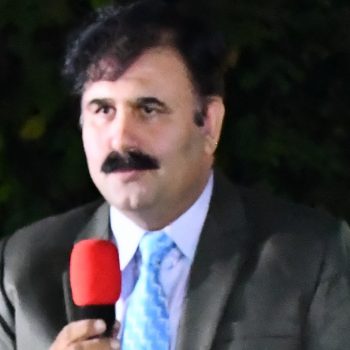

Politics and Education are closely related, influencing the prospects and futures of millions of people globally. For educational systems to be inclusive, sustainable, and successful, political wisdom; and the capacity to make morally sound, well-informed, and calculated decisions are essential. The reality, however, frequently falls short. Having worked as an education leader for 24 years, with a focus on Formal Education, Non-Formal Education (NFE), and Education in Emergencies (EiE), I have seen firsthand how political decisions can either make it easier or harder for underserved communities to get high-quality education.
The Role of Political Wisdom in Education Policy
The provision of high-quality education and effective policies are more than just allocating money and developing frameworks; they also call for a thorough comprehension of the sociopolitical environment, a dedication to equity, and a long-term plan for long-lasting change. Political leaders need to understand that education is a basic right, not a privilege, particularly for children who are not enrolled in school and depend on alternative learning methods.
I worked closely with the Ministry of Education, donor organizations, and cross-functional teams to implement the Accelerated Learning Program (ALP) and the Basic Literacy and Numeracy (BLN) curriculum. These programs gave kids who were left behind by traditional schooling a second chance. Such programs, however, find it difficult to realize their full potential in the absence of consistent policy and strong political support.
Bridging Policy and Practice
The disconnect between policy and practice is one of education’s biggest problems. Ambitious education reforms are frequently created by political leaders, but they are ineffective without sound implementation and effective monitoring plans. My experience creating and implementing an NFE transition framework made it clear how crucial clearly defined pathways are for students to return to formal education. It necessitated cooperation, resource distribution, and policy modifications—all of which rely on well-informed political judgment.
A Call for Smarter Political Engagement in Education
To create a truly inclusive and equitable education system, we must demand greater political wisdom from policymakers. This includes:
- Long-Term Vision: Education policies should not be dictated by short-term political gains but by sustainable strategies that benefit future generations.
- Evidence-Based Decision-Making: Data-driven approaches should guide policy formation and program implementation.
- Community Engagement: Strengthening local ownership ensures that policies reflect the needs of the people they serve.
- Accountability and Transparency: Financial stewardship and effective monitoring systems should be at the core of educational governance.
Political wisdom in education is about making informed, ethical, and sustainable choices that empower learners and educators alike. My experience has shown that while political barriers exist, strategic leadership, collaboration, and a commitment to equity can drive meaningful change. Education should never be a casualty of political agenda, it must be a priority, driven by wisdom, not just rhetoric.
Only when policymakers, educators, and communities work together with a shared vision can we ensure that every child, regardless of circumstance, has access to quality learning opportunities. The time for political wisdom in education is now