


This article highlights the importance of investment in Early Childhood development which is the foundation age for individual wellbeing and societal progress. It discussed how early investment in children’s health, nutrition, education, and well-being contributes to impact towards a more equitable, productive, and sustainable society. The strategic investments in ECD are not merely an expenditure, but rather a high-return investment in human capital with strongly significant benefits for society.
Early Childhood Development
The concept of early childhood starts from the period of conception to the early years of primary education. It is the foundational period for a child and develops the quality of brain architecture. During the prenatal period, from conception through pregnancy, the health and nutrition of the mother critically determine fetal development. Safe childbirth, infant nutrition safety and health, cognitive stimulation, nutritious foods and safety for exploring toddlers, and successful transitions from the home are all critical aspects of early childhood development and set the stage for primary school entry. (ACER, 2021).
Early childhood development refers to the development of children’s cognitive, social, emotional, physical, and linguistic capabilities from prenatal to eight years (Likher et al, 2022). The age of ECD is the foundational period for determining the future life, prosperity, overall well-being, and holistic development of children. Generally, the development process is influenced by various factors such as the environment, genetics, early investment, and early exposure surrounding children.
A critical time to shape productivity is from birth to age five when the brain develops rapidly to build the foundation of cognitive and character skills necessary for success in school, health, career, and life (Heckman, 2012). Early childhood education fosters cognitive skills along with attentiveness, motivation, self-control, and sociability—the character skills that turn knowledge into know-how and people into productive citizens. (Heckman, 2012)
Cognitive development: the brain’s neural architecture grows faster than at any other time in the life course. At the same time, a broad set of fundamental capabilities are developing- cognitive, linguistic, and social-emotional that are the basis for future learning and development. (ACER, 2021, page 8).
Children are learning from birth – observing and gathering information about the people and the world around them. Babies are constantly discovering new things about themselves and where they fit. (ACER 2021). At this age, children can solve their problems, increase their memory power, and thinking capacity to explore new things, and understand the surrounding objects and nature
Socio-emotional development: It is the age of reaction and bonding with others, expressing and understanding emotions, building relationships with family members and friends, being aware of social norms, rules, and regulations, developing the capacity for self-control, understanding gender roles, giving praise, apologizing for unintentional mistakes and liking to play with peer groups as well as moral development.
Before acquiring language, babies learn to communicate through emotions. One may argue that knowing emotional regulation and impulse control may determine later success in life more than IQ. There is a rapid growth in social and dynamic areas of the brain during the first 18 months of life. The nonverbal parts of the right brain, including the amygdala and the limbic system, receive process, and interpret stimuli from the environment that produce an emotional response and build the body’s dynamic and stress regulatory systems (Malik & Marwaha, 2022).
Physical development: Physical development in early childhood is very crucial, it is the prime area of learning and development. The growth in height and weight as well as brain muscles and senses (sense of touch, smell, sounds, test), movement of the body, development and refining gross motor skills, such as crawling, walking, running, jumping, playing, and develop fine motor skills as like drawing, coloring, building blocks. Preschoolers have the highest activity level of any age group in their lifespan. They need daily exercise and good programs with creativity and free movement. Exercise increases both physical and visual awareness. Children’s gross motor skills develop when they use the large muscles of their body. (Budzyna & Buckley, 2023)
Language and communication: Strong language and communication skills are essential skills to understand and use language which is supportive for cognitive development as well as social interaction and learning that shapes a child’s ability to interact with the world surrounding them.
Communication is a collaborative process through which two or more individuals connect and share meaning around thoughts, ideas, and feelings. Learning to communicate with others is one of the most important but complex social tools that children will develop, and it is a key foundation for learning, development, and well-being for all human beings. (White, 2019).
Children’s language development and literacy development are central to each other. The development of language and literacy includes knowledge and skills in such areas as vocabulary, syntax, grammar, phonological awareness, writing, reading, comprehension, and discourse skills. (Allen & Kelly, 2015).
These are the most common milestones in children from birth to eight years for the holistic development of children, ensuring prosperous lives and dignity. Children are the pillars of the nation. If the parents, society, and government are aware of the foundation period of children and invest accordingly in ECD programs, they are not only getting benefits to improve individual outcomes but also contributing to societal and economic growth.
Early childhood experiences have a profound impact on brain development – affecting learning, health, behavior, and, ultimately, productivity and income. Globally, millions of young children are not reaching their full potential because of inadequate nutrition, lack of early stimulation, lack of learning, and nurturing care, and exposure to stress which adversely affects their development. (Dahal, 2024)
Why Society Investment in ECD?

In the context of Nepal, the local community, the federal government, and the private sector are equally involved in shaping the architecture of the brains of ECD children and hugely investing in ECD programs. According to the World Bank (2024), investing in the early years is one of the smartest things a country can do to eliminate extreme poverty, boost shared prosperity, and create the human capital needed for economies to diversify and grow.
There is some evidence, that investment in early childhood development is directly connected with personal, professional, and social well-being and prosperity toward a sustainable society.
Investment for the foundation age and future learning, that supports to improve the educational outcomes of children. In the period from 3 to 5 years, children enhance their essential skills and knowledge, such as cognitive skills, language development, socio-emotional competencies, and cultural insight, which play an important role in succeeding in future learning.
Heckman states, “Gaps in knowledge and ability between disadvantaged children and their more advantaged peers open up long before kindergarten, tend to persist throughout life, and are difficult and costly to close. Taking a proactive approach to cognitive and social skill development through investments in quality early childhood programs is more effective and economically efficient than trying to close the gap later on (Heckman, 2017)
Promote equity and social inclusion: ECD evidence demonstrates that this foundational period is a window of opportunity for resolving early inequalities and achieving inclusive social and economic development, peace, and sustainability. (Britto, 2015)
Early intervention of the ECD program supports bridging the gap between children who are from diverse backgrounds, they can learn together, play together, and eat together, promote quality and positive interaction, and minimize the social inequalities among the children. The program helps to break down the barriers to equity and addresses the specific needs of those children who are from marginalized, communities with disabilities.
Investment for high economic return: Investing in young children is not only one of the most cost-effective ways to improve the health, nutrition, and educational level of the next generation, but it also empowers women, reduces violence, promotes environmental sensitivity, and can break the intergenerational cycle of poverty, creating more productive societies. (Britto, 2015). Investment in early education, health, and nutrition leads to higher academic achievement, better job and earnings in adulthood, reduced health care costs, and promotes well-being creating a capable and creative future workforce for economic growth, increases women’s participation in the workforce that support to promote gender equality and household income. According to Professor Hackman, comprehensive high-quality birth-to-five early childhood programs for disadvantaged children, yield a 13% return on investment per child, per annum through better education, economics, health, and social outcomes.
Investment to get support from parents and community: When parents are actively involved in their children’s education, students tend to exhibit higher academic performance, improved attendance, and enhanced social-emotional development. Moreover, parental involvement cultivates a supportive home environment conducive to learning, thereby reinforcing the educational efforts undertaken in schools. (Eden, 2024)
The investment from the community and parents at the local level can play a significant role in initiatives and involve them in developing local-level plans and policies, advocating, and providing necessary resources. Parents can invest in their child’s ECD by providing a nutritious diet and adequate health care that supports a balanced and nutritional diet for child growth and development, taking care of their child’s health, engaging them in age-appropriate household chores, creating a safe and nurturing environment at home, and engaging and communicating with their children. This supports children in coping with challenges and emotions and developing resilience and emotional intelligence, sending children to school and helping them with socialization, learning achievement, play, and other recreational activities.
A community can contribute to promoting ECD by providing quality childcare services in an accessible area for all, setting standard and adequate infrastructure facility and cost, providing health facilities and nutrition, conducting advocacy and awareness programs for strengthening ECD, collaborating with community-based organizations (schools, healthcare service providers, childcare center), create a healthy environment to work together for ECD development, safe inclusive and accessible playing station for all types of children, organize community-based events, camp, workshop and engage parents with their children, provide fund to ensure quality learning and sustainability (NPC, 2077/78).
Invest in developing a productive and sustainable society.
ECD is one of the smartest investments a country can make in its future. Returns are also linked to a range of positive impacts in education and health, reduced adolescent risky behaviors, and increased productivity among adults. We can see then that ECD is an investment with incredible returns! (Hensen, 2016). Investment in ECD supports higher academic achievement, a better portfolio in the job market, an increased number of quality skilled workers, a physically and mentally healthy life, the development of strong socio-emotional skills, empathy, and cooperation, breaking the cycle of poverty, reducing disparities in society, and better outcomes in adulthood that endorse a sustainable society.
According to Heckman (2000), nutritious food, physical health, and exercise are essential for the development of the human brain during the ECD ages. Receiving a positive environment during these ages provides them with the opportunities necessary for their holistic development, which accelerates children’s health, future learning achievement, employment prospects, and productivity in the future.
In conclusion
Investment in ECD provides long-term benefits in terms of education outcomes, economic growth, building an equitable and inclusive society, physically, and emotionally healthy well-being, and culturally balanced, kind coordination and support from parents and community, towards a sustainable society with productive human resources. Investment in children’s holistic development at an early age will return many more times the investment. So, it is essential to invest to ensure and secure the future of individuals and society as a whole which supports to creation more prosperous and sustainable future for the nation.
Investing in Early Childhood Development (ECD) is not just a short-term social initiative but a long-term strategic investment that benefits individuals, communities, and nations. The early years of a child’s life lay the foundation for cognitive, emotional, and social development, making it a crucial period where quality interventions can shape lifelong outcomes. A society that invests in ECD is investing in its future. Early childhood interventions, such as quality preschool education, proper nutrition, healthcare, and parental support ensure that children grow into productive, responsible, and innovative citizens. Countries that prioritize ECD see stronger economic growth, reduced inequality, and a more resilient workforce in the long run.
Many studies have proven that investments in early childhood education yield high economic returns. Higher educational attainment leads to better job opportunities and increased earnings, reduced government spending on social welfare, remedial education, and the criminal justice system, and greater economic productivity due to a skilled workforce. Investing in ECD helps break the cycle of poverty by giving children from marginalized backgrounds an equal opportunity to succeed. It reduces disparities in education, health, and economic status, ensuring that all children, regardless of gender, ethnicity, or socioeconomic background can reach their full potential. When society invests in ECD, it supports not just children but also families and communities. Parenting education programs, healthcare initiatives, and early childhood centers provide essential support for caregivers, reducing stress and improving family stability. Strong families contribute to safer, more cohesive communities.
Investing in ECD aligns with global commitments like the United Nations Sustainable Development Goals, particularly SDG 4 (Quality Education) and SDG 3 (Good Health and Well-being). By ensuring that all children receive a strong start in life, societies build a sustainable future characterized by social inclusion, economic stability, and overall well-being.
Final Thought: A Collective Responsibility
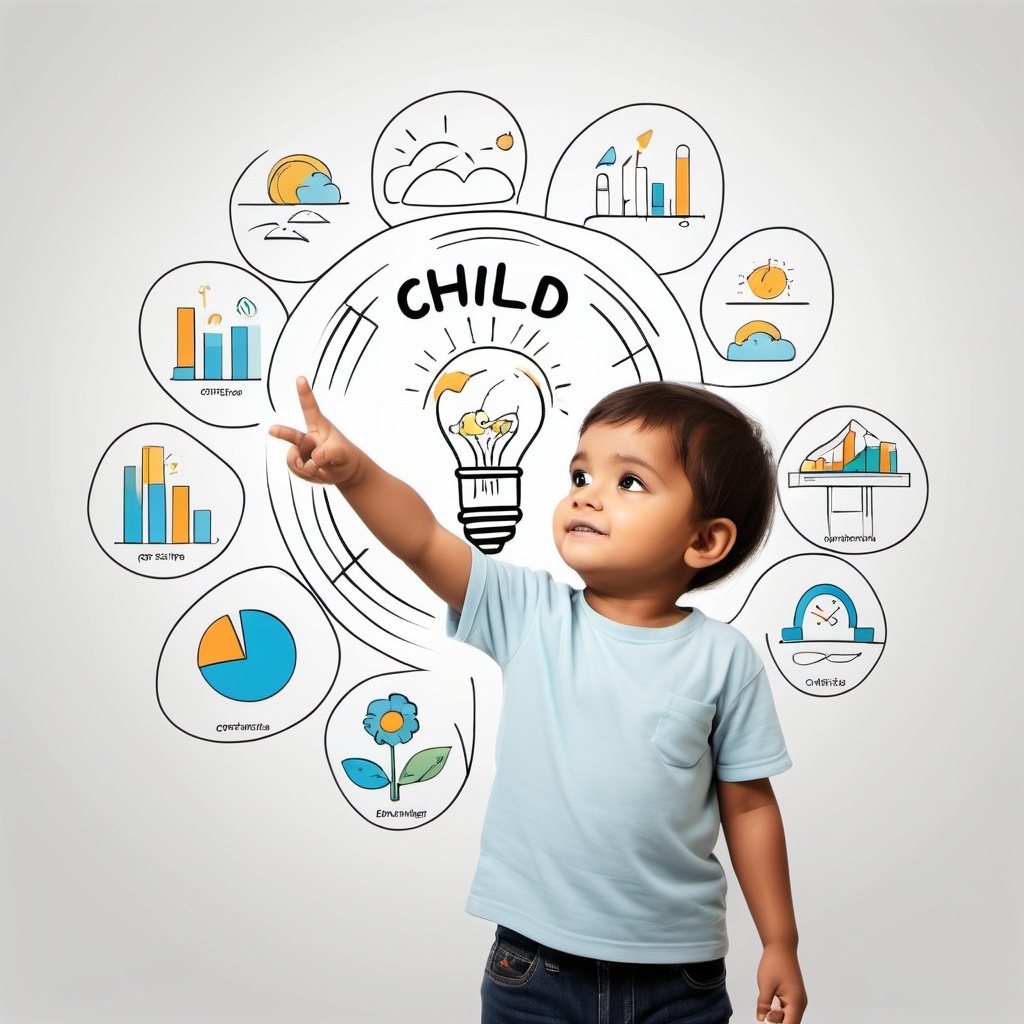
Society’s investment in ECD should not be considered as an expense but as a shared responsibility and a necessary step toward building a prosperous and equitable future. Governments, civil society organizations, businesses, and individuals must collaborate to create policies and programs that ensure every child has access to quality early childhood education, health services, and nurturing care. A well-invested childhood leads to stronger individuals, stronger communities, and ultimately, a stronger nation.
Reference
ACER (2021). Early Childhood Development, Education Learning and Development Module, Foundation Level. Australian Government Department of Foreign Affairs and Trade.
Barnett, W. S., & Nores, M. (2012). Investing in early childhood education: A global perspective. National Institute for Early Education Research.
Britto, P. R., (2015). Key to Equality: Early Childhood Development, Yale University, Global Themetic
Budzyna, D.& Buckley, D., (2023). The Whole Child: Development in the Early Years. Creative Commons Attribution-NonCommercial-ShareAlike 4.0 International
Chima, A E., (2024). Parent and Community Involvement in Education: Strengthening Partnership For Social Improvement. International Journal of Applied Research in Social Sciences
Dahal, M. (2024). Early childhood development programs in Nepal: Opportunities and challenges. Journal of Productive Discourse Volume 2 Issue 1, 2024, 35–46 Kathmandu, Nepal
NPC., (2077/78). National Strategy for Early Childhood Development 2077/78. National Planning Commission. Government of Nepal
Heckman, J., (2000). Four Big Benefits of Investing in Early Childhood Development.
Available at www.heckmanequation.org.
Heckman, J., (2012). Investment in Early Childhood Development: Reduce Deficits Strengthen the Economy. www.heckmanequation.org
Fatima, M. & Raman, M., (2022). Developmental Stages of Social Emotional Development in Children (Statepearls) Journal of Productive Discourse, 2(1), 35–46. https://doi.org/10.3126/prod.v2i1.65725
Likher, A., Baghel P. & Patil M., (2022). Early Childhood Development and Social Determinants. National Library of Medicine (NIH).
LaRue, A. and Bridget B. K., (2015). Transforming the Workforce for Children Birth Through Age 8: A Unifying Foundation. Washington, DC: The National Academies Press. National Academies of Sciences, Engineering, and Medicine.
White, A., (2019). Communication in the Early Years: An Introduction. The Education Hub. www.theeducationhub.org.nz www.
World Bank, (2024). https://www.worldbank.org/en/topic/earlychildhooddevelopment